Commercial Architecture Services by Trusted Providers
Progressive Architecture Concepts: Discovering the Advantages of Professional Architecture Services
Innovative building designs play an essential role in transforming modern environments. By championing functional sustainability, building professionals can develop environments that reflect community needs. Combining eco-conscious resources and smart solutions optimizes resource consumption while cultivating collaborative spaces. As these innovations progress, they accommodate human-centered needs and honor cultural traditions. The central challenge endures: to what extent do these aspects merge to transform our built environments and improve quality of life?
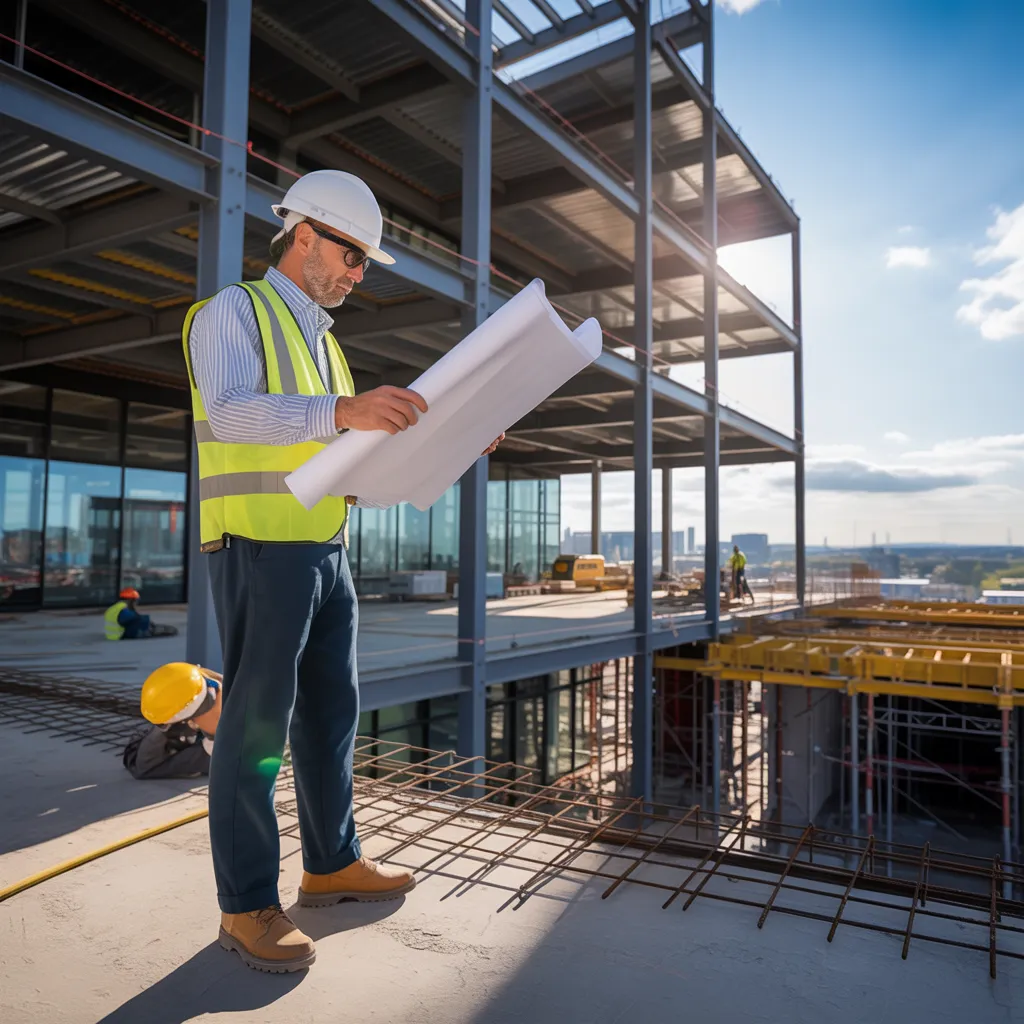
The Role of Architects in Creating Sustainable Spaces
Architects hold a vital role in the advancement of eco-friendly environments, greatly impacting the environmental effect of the built world. Their expertise allows for the incorporation of green building materials, sustainable energy systems, and forward-thinking design approaches that minimize resource consumption. By emphasizing sustainable practices, architects are able to develop structures that decrease environmental impact and optimize energy output.
Working closely with engineers and environmental specialists is essential in this process, ensuring that designs satisfy both visual and practical requirements while adhering to sustainable practices. Moreover, architects take into account the surrounding ecosystem, fostering biodiversity and weaving in natural components that foster a harmonious relationship between the built environment and natural surroundings.
With careful consideration, architects promote the use of sustainable energy options, such as solar or wind power, which further reinforces environmental goals. In the end, their responsibilities reach far beyond building; architects transform the trajectory of city environments by fostering a commitment to responsible design and environmental stewardship.
Leading Innovations in Architectural Design That Boost Functionality
Many advancements in modern architecture are transforming the way modern spaces function. One prominent advancement is the adoption of smart systems, allowing buildings to adapt to users' needs through automated illumination, climate management, and security solutions. Such advancements boost both energy performance and the overall comfort of users.
Moreover, modular building methods are becoming increasingly popular, allowing for quicker assembly and enhanced design flexibility. These frameworks can be effortlessly reorganized or extended, making them suitable for various uses.
The concept of biophilic design, which incorporates natural elements into architectural design, promotes productivity and well-being, fostering a bond between building users and their environment.
Moreover, open-concept floor plans are growing in popularity, allowing for versatile spaces that can accommodate different activities.
Additionally, eco-friendly materials are being employed not only for their environmental benefits but also for their attractive appearance and resilience, enhancing the overall functionality of modern structures. Together, these advancements lead to more flexible and effective architectural designs.
How Design Connects Communities
Design serves a fundamental purpose in cultivating bonds within neighborhoods, developing settings that promote interaction as well as collaboration among community members. Strategically crafted parks, plazas, and communal areas act as indispensable social hubs, encouraging public participation and a spirit of togetherness. Design elements such as open layouts and versatile areas facilitate possibilities for neighborhood gatherings and programs, enhancing the collective living experience.
Moreover, designs that incorporate local culture and traditions establish a unique identity, allowing residents to feel more connected to their surroundings. By emphasizing accessibility and inclusivity, architects guarantee that everyone, regardless of age or ability, can be involved in community life.
The inclusion of natural components, such as parks and leisure spaces, greatly enhances the communal living experience, offering residents a sanctuary and a space for collective recreation. Ultimately, thoughtful architectural design not only shapes physical spaces but also nurtures the relationships that bind communities together.
Maximizing Energy Efficiency Via Expert Architectural Design
A major transformation toward energy efficiency is revolutionizing the building design landscape, spurring the development of groundbreaking solutions that reduce environmental consequences. Skilled architectural expertise serve a vital function in this change by incorporating eco-friendly approaches into the design process. These architects analyze energy consumption patterns and utilize high-quality materials, such as top-grade insulation and energy-efficient windows, to reduce heating and cooling demands.
In addition, the integration of green energy systems, like solar panels and geothermal systems, not only lowers the need for fossil fuels but also decreases running costs for property owners. Smart building technologies also optimize overall energy performance, allowing for real-time monitoring and adjustments to energy use.
Through meticulous planning and innovative design, professional architects develop environments that not only comply with stringent environmental standards but also encourage lasting sustainability. This emphasis on energy efficiency ultimately contributes to a healthier planet and more resilient communities, reinforcing the critical role of architecture in tackling climate change.
Remarkable Urban Landscape Changes
A prime illustration can be found in the transformation of abandoned waterfronts into dynamic community spaces, complete with parks, walking paths, and cultural attractions. Such transformations serve to enhance the landscape while also boosting regional economies by bringing in tourists and business opportunities.
Moreover, thoughtful urban planning takes into account the particular characteristics of a community, ensuring that each transformation embodies its history and culture. This customized strategy nurtures a spirit of ownership among local inhabitants, inspiring care for the environment. In the end, thriving urban landscape projects highlight the capacity of architectural innovation to reshape urban experiences and contribute to sustainable read the facts city living.
What Does the Future Hold for Innovative Architecture?
In what ways can innovative architecture keep pace with and address the changing demands of society? With urban landscapes becoming ever more intricate, architects face the critical task of tackling key challenges including sustainability, affordability, and social equity. Cutting-edge technologies, such as artificial intelligence and advanced materials, present fresh opportunities for design, facilitating more streamlined construction methods and improved energy efficiency.
Additionally, architects are consistently engaging with various stakeholders, from community members to sustainability professionals, confirming that blueprints represent the principles and demands of the people they serve. Such an inclusive strategy cultivates resilience, empowering constructions to withstand evolving environmental conditions and community needs.
Furthermore, the inclusion of biophilic design concepts promotes human well-being, linking residents to the natural world. As the field of architecture advances, the commitment to creative solutions will remain a top priority, motivating the discipline to create spaces that are as functional as they are transformative for generations to come.
Common Questions and Answers
How Do Architects Collaborate With Engineers on Projects?
Architects collaborate with engineers by combining design principles with technical specifications, maintaining structural stability and operational efficiency. Regular meetings facilitate communication, allowing both disciplines to address challenges and improve project results through collaborative knowledge and creative approaches.
What Are the Costs Associated With Hiring an Architect?
The fees related to employing an architect commonly consist of architectural design fees, project management costs, and potential supplementary charges for site inspections or consultations. These fees can fluctuate substantially depending on the complexity of the project and its location.
How Long Does the Architectural Design Process Typically Take?
The architecture design workflow typically takes a few months, depending on project scope and the requirements of the client. Considerations like permit approvals, design revisions, and coordination with contractors can further impact the overall timeline, often extending the duration considerably.
Can Architects Help With Zoning and Permit Applications?
Certainly, architects offer support for permit and zoning applications. Their expertise helps navigate complicated regulatory requirements and secures conformity with local regulations, simplifying the overall process and improving the chances of receiving the needed permits for construction projects.
What Qualifications Should I Consider When Choosing an Architect?
When hiring an architect, one should prioritize qualifications such as relevant experience, proper licensing, educational background, excellent interpersonal and communication skills, and a portfolio that highlights creative thinking and problem-solving capabilities. Specific areas of expertise may also matter based on the nature of the project.